
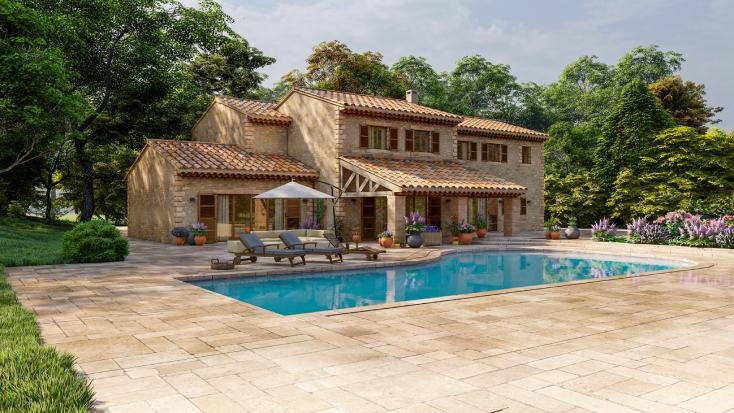
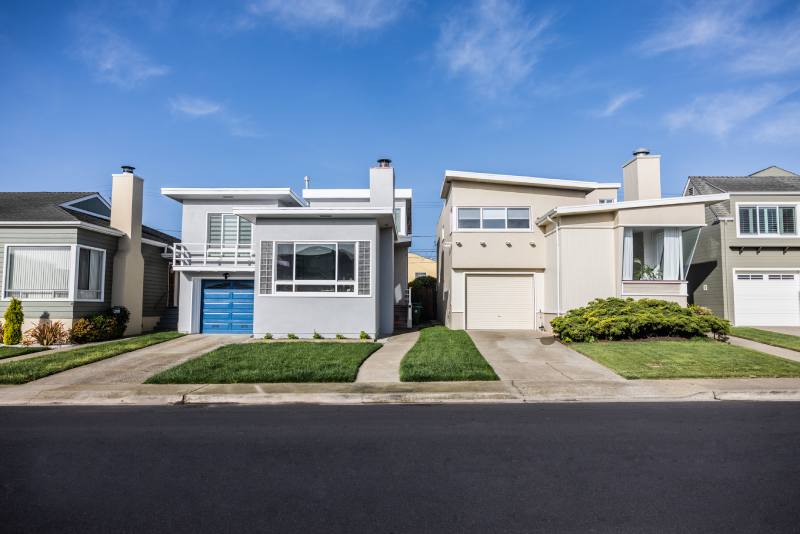
Many Bay Area homeowners assume that if their basement or crawl space has stayed dry for decades, their home’s waterproofing system will continue to perform indefinitely. Unfortunately, no waterproofing material lasts forever. The methods and materials used for foundation waterproofing in the Bay Area have changed significantly over the past century, and understanding what was commonly installed during your home’s construction can help you anticipate future problems before they become expensive repairs.
Read more: How Below-Grade Waterproofing Has Evolved in the Bay Area: What Homeowners Should KnowWhether you own a historic home, a mid-century ranch, or a newer custom residence, knowing the age and condition of your waterproofing system is an important part of protecting your investment.
History of Waterproofing Solutions in the Bay Area
Homes Built Before the 1950s
Many older Bay Area homes were constructed with little or no true below-grade waterproofing. Builders often relied on dense concrete, brick, or stone foundations to resist moisture rather than installing dedicated waterproofing membranes.
In some cases, a simple asphalt or coal tar coating was brushed onto the exterior of foundation walls. While these products offered limited moisture resistance, they were not designed to withstand decades of soil movement, hydrostatic pressure, or constant exposure to groundwater.
Today, homes from this era frequently experience:
- Damp crawl spaces
- Water seepage through foundation walls
- Efflorescence
- Cracked foundation coatings
- Moisture-related deterioration
If no waterproofing upgrades have been made, many of these original systems have long exceeded their expected lifespan.
Homes Built During the 1950s Through the 1970s
As residential construction expanded throughout the Bay Area, builders began using asphalt-based dampproofing coatings more consistently. These products were intended to slow moisture intrusion but were not considered true waterproofing systems.
While asphalt coatings could perform reasonably well under ideal soil conditions, they gradually became brittle over time. Tree roots, settling foundations, earthquakes, and expanding clay soils often caused cracking that allowed water to penetrate.
Many homes from this period also have aging footing drains that have become clogged with sediment or damaged by roots, reducing their ability to carry water away from the foundation.
Most asphalt dampproofing systems from this era have now reached or exceeded their useful service life.
Homes Built During the 1980s and 1990s
Construction methods improved significantly during the 1980s and 1990s. Builders increasingly incorporated synthetic waterproofing membranes, improved drainage boards, perforated drain pipe systems, and better backfill materials.
These systems generally offered much better protection than earlier asphalt coatings. However, even quality waterproofing products are affected by decades of ground movement, soil chemistry, UV exposure during construction, and normal aging.
Depending on installation quality and site conditions, many waterproofing systems installed during this period may now be approaching the point where repairs or replacement should be considered.
Modern Waterproofing Systems
Today’s waterproofing solutions in the Bay Area utilize advanced materials designed for long-term durability and superior moisture protection. Modern systems often combine several layers of defense, including:
- Elastomeric waterproofing membranes
- Bentonite waterproofing products
- Drainage composite panels
- High-performance footing drain systems
- Foundation crack repair materials
- Moisture management systems
Rather than relying on a single coating, today’s waterproofing assemblies are designed to actively manage groundwater and relieve hydrostatic pressure before it reaches the foundation.
When professionally installed, modern systems can provide decades of dependable performance while significantly reducing the risk of water intrusion.
How Long Does Below-Grade Waterproofing Last?
The lifespan of foundation waterproofing in the Bay Area depends on several factors, including the original materials used, soil conditions, drainage, seismic activity, and installation quality.
General expectations include:
- Early asphalt or coal tar coatings: approximately 20–40 years
- Mid-century asphalt dampproofing: approximately 25–40 years
- Modern elastomeric membrane systems: often 40 years or more when properly installed and protected
- Drainage systems may require maintenance or replacement if clogged, crushed, or damaged over time.
Even if waterproofing materials remain intact, surrounding drainage components may no longer function as intended.
Signs Your Waterproofing May Be Failing
Homeowners should schedule an inspection if they notice:
- Damp basement walls
- Standing water in crawl spaces
- White mineral deposits (efflorescence)
- Musty odors
- Mold or mildew
- Interior wall staining
- Foundation cracks
- Water entering after heavy rain
Addressing these warning signs early is typically far less expensive than repairing structural damage caused by prolonged moisture exposure.
Trust Renaissance Waterproofing Solutions in the Bay Area
Protecting your home’s foundation begins with understanding how your existing waterproofing system has aged. Renaissance Stone Care and Waterproofing specializes in evaluating older homes and recommending effective waterproofing solutions in the Bay Area that address both current moisture problems and long-term protection. Whether your home needs complete foundation waterproofing in the Bay Area, targeted repairs, or comprehensive basement waterproofing in the Bay Area, their experienced team provides customized solutions using modern materials and proven installation techniques.
With decades of experience working on Bay Area homes of every age and style, Renaissance Stone Care and Waterproofing helps homeowners preserve their foundations, prevent costly water damage, and enjoy greater peace of mind for years to come.