

Water intrusion can cause serious structural damage and long-term issues for homes and commercial buildings alike. If you’re dealing with a damp basement, musty crawl space, or visible foundation cracks, it may be time to consider waterproofing below grade. Understanding when you need it—and how the process works—can help you protect your property and avoid costly repairs.
Signs You May Need Waterproofing Below Grade
The first step in determining whether your property requires exterior waterproofing in the Bay Area is identifying common warning signs. These include:
- Persistent dampness or water pooling in your basement or crawl space
- Musty odors indicating mold or mildew growth
- Cracks in foundation walls or floors
- Efflorescence (white, chalky residue) on concrete surfaces
- Warped flooring or deteriorating building materials
In regions like the Bay Area, soil composition and seasonal rainfall can significantly impact how water interacts with your foundation. Expansive clay soils, for example, retain moisture and can put pressure on foundation walls, increasing the risk of leaks.
A professional inspection from a qualified waterproofing contractor in San Jose is often the best way to accurately assess the situation. Experts will evaluate grading, drainage, soil conditions, and the integrity of your foundation to determine whether below grade waterproofing is necessary.
The Waterproofing Process: Step-by-Step
Once it’s been established that your property needs waterproofing below grade, the next step is implementing a comprehensive waterproofing system. Here’s what that typically involves:
1. Excavation Around the Foundation
The process begins with careful excavation of soil around the exterior foundation walls down to the footing. This step allows contractors to fully access the problem areas and prepare the surface for treatment.
2. Surface Preparation and Repairs
Before applying any waterproofing materials, the foundation walls are cleaned and inspected. Cracks, holes, and weak spots are repaired using specialized compounds to ensure a solid, uniform surface.
3. Application of Waterproofing Membrane
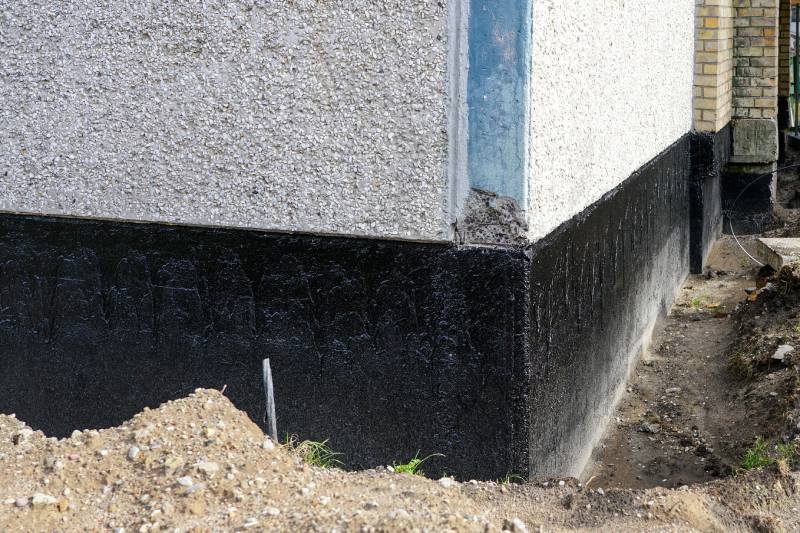
A high-quality waterproof membrane is then applied to the exterior walls. This barrier prevents water from penetrating the foundation and is a critical component of effective exterior waterproofing in the Bay Area.
4. Installation of Drainage Systems
To further protect the structure, a drainage system such as a French drain or perforated pipe is installed at the base of the foundation. This system redirects groundwater away from the building, reducing hydrostatic pressure.
5. Drain Board and Backfilling
A drainage board may be added to protect the waterproofing membrane and improve water flow. Afterward, the excavated soil is backfilled, often with materials that promote proper drainage.
6. Final Grading and Cleanup
The final step ensures that the surrounding landscape is graded to direct water away from the structure, preventing future issues.
Protect Your Investment – Waterproofing Below Grade
Investing in waterproofing below grade is one of the most effective ways to safeguard your home or building from water damage. By addressing issues at the source—on the exterior—you can prevent costly repairs, improve indoor air quality, and extend the life of your foundation.
Renaissance Stone Care and Waterproofing specializes in exterior waterproofing in the Bay Area and offers expert solutions tailored to your property’s unique needs. If you’re searching for a reliable waterproofing contractor in San Jose, their experienced team can guide you through inspection, planning, and installation to ensure long-lasting protection.